
As I settled down for an evening in the kitchen, the aroma of spices floated in the air, instantly brightening my mood. Today, I’m excited to share my One-Pot Easy Vegetable Curry with you—a dish that not only comforts the senses but also nourishes the body. This delightful curry is a fantastic solution for busy weeknights, as it requires minimal prep and cleanup while still delivering maximum flavor. With its vibrant vegetables and luscious coconut milk option, you’re free to customize it with whatever produce you have on hand. Whether you’re feeding the family or prepping meals for the week ahead, this vegan-friendly staple is bound to become a new favorite. Curious about how this dish comes together? Let’s dive into the recipe!
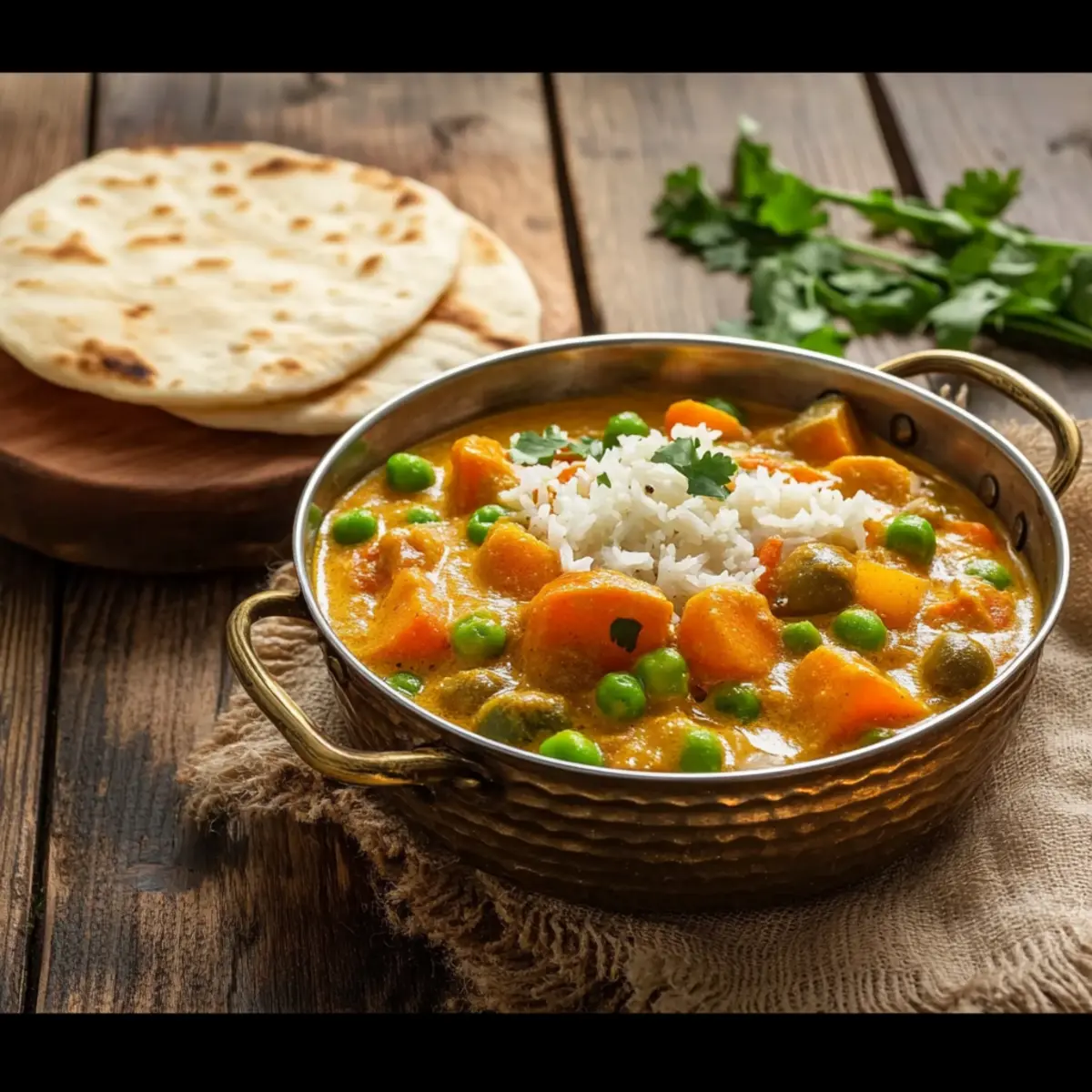
Why is this Vegetable Curry a Must-Try?
Simplicity at Its Best: You only need one pot and a few pantry staples to make this vibrant curry, making it ideal for busy weeknights.
Flavor Explosion: The combination of cumin, coriander, and fresh vegetables creates a depth of flavor that is simply irresistible.
Customizable: Feel free to swap in your favorite seasonal veggies or add protein like chickpeas for a heartier meal — it’s versatile enough for everyone!
Crowd-Pleasing Comfort: Whether you’re serving a family dinner or meal prepping for the week, this comforting curry is bound to impress.
Health Benefits: Packed with vitamins and fiber, this dish is not just tasty but also a wholesome addition to your diet. Don’t forget to check out my other favorite comforting dishes like Coconut Curry Soup and Roasted Vegetable Pasta for more delicious inspiration!
Vegetable Curry Ingredients
For the Curry Base
- Vegetable oil or ghee – Adds fat for sautéing; use it for rich flavor.
- Onion – Aromatic base for flavor; finely chopped for even cooking.
- Garlic – Enhances aroma and depth; use fresh for the best results.
- Fresh ginger – Adds warmth; grated for quick incorporation.
- Tomatoes – Provide acidity and moisture; must be chopped.
For the Spices
- Turmeric powder – Provides color and earthy flavor; essential for authentic vegetable curry.
- Cumin seeds – Bloomed in oil for deep aroma; integral to the spice base.
- Coriander powder – Adds subtle sweetness; pairs well with cumin.
For the Vegetables
- Mixed vegetables (carrots, peas, potatoes, bell peppers) – The main body; cut to size for even cooking.
For Simmering
- Water – Needed for simmering; adjust quantity as required.
- Coconut milk (optional) – Adds creaminess; use for a velvety texture or skip for a lighter stew.
For Finishing Touches
- Garam masala – Finished spice blend; adds complexity to the curry.
- Salt – Enhances overall flavor; adjust according to taste.
- Fresh cilantro – For garnish; adds freshness and visual appeal.
Step‑by‑Step Instructions for One-Pot Easy Vegetable Curry
Step 1: Bloom the Cumin
Heat 2 tablespoons of vegetable oil or ghee in a large pot over medium heat. Add 1 teaspoon of cumin seeds and allow them to sizzle for about 30 seconds, until they become fragrant. This blooming process helps release the essential oils in the spices, creating a flavorful base for your easy vegetable curry.
Step 2: Sauté the Aromatics
Add 1 finely chopped onion to the pot, stirring it in and cooking for 5 minutes until it turns translucent. Then, incorporate 3 minced garlic cloves and 1 tablespoon of grated fresh ginger, sautéing for an additional 30–60 seconds until aromatic and lightly golden. The combination of these aromatics adds depth to your curry.
Step 3: Build the Masala
Stir in 2 chopped tomatoes, 1 teaspoon of turmeric powder, 1 teaspoon of coriander powder, and a pinch of salt. Mix well and cook for about 5–7 minutes until the tomatoes break down and create a glossy masala that beautifully coats the other ingredients, forming the base for your vegetable curry.
Step 4: Add the Vegetables
Fold in 4 cups of mixed chopped vegetables, such as carrots, peas, potatoes, and bell peppers, ensuring they are evenly coated with the aromatic masala. Stir gently for 2–3 minutes to allow the vegetables to begin absorbing the flavors before proceeding to add liquid.
Step 5: Simmer the Curry
Pour in enough water to just cover the vegetables, roughly 2–3 cups, and bring the mixture to a boil over high heat. Once boiling, reduce the heat to low, cover the pot, and let it simmer for 15–20 minutes, or until the vegetables are tender. This step is crucial for achieving the desired texture in your vegetable curry.
Step 6: Optional Creaminess
If desired, stir in 1 cup of coconut milk for a silky, creamy texture. Continue to simmer for an additional 5 minutes, allowing the coconut milk to meld with the spices and vegetables, transforming your easy vegetable curry into a comforting and rich dish.
Step 7: Finish and Garnish
Sprinkle 1 teaspoon of garam masala into the pot, stirring to combine, and adjust the salt according to taste. Remove the pot from heat and garnish with freshly chopped cilantro for a burst of color and freshness. Your one-pot easy vegetable curry is now ready to be served!
How to Store and Freeze Vegetable Curry
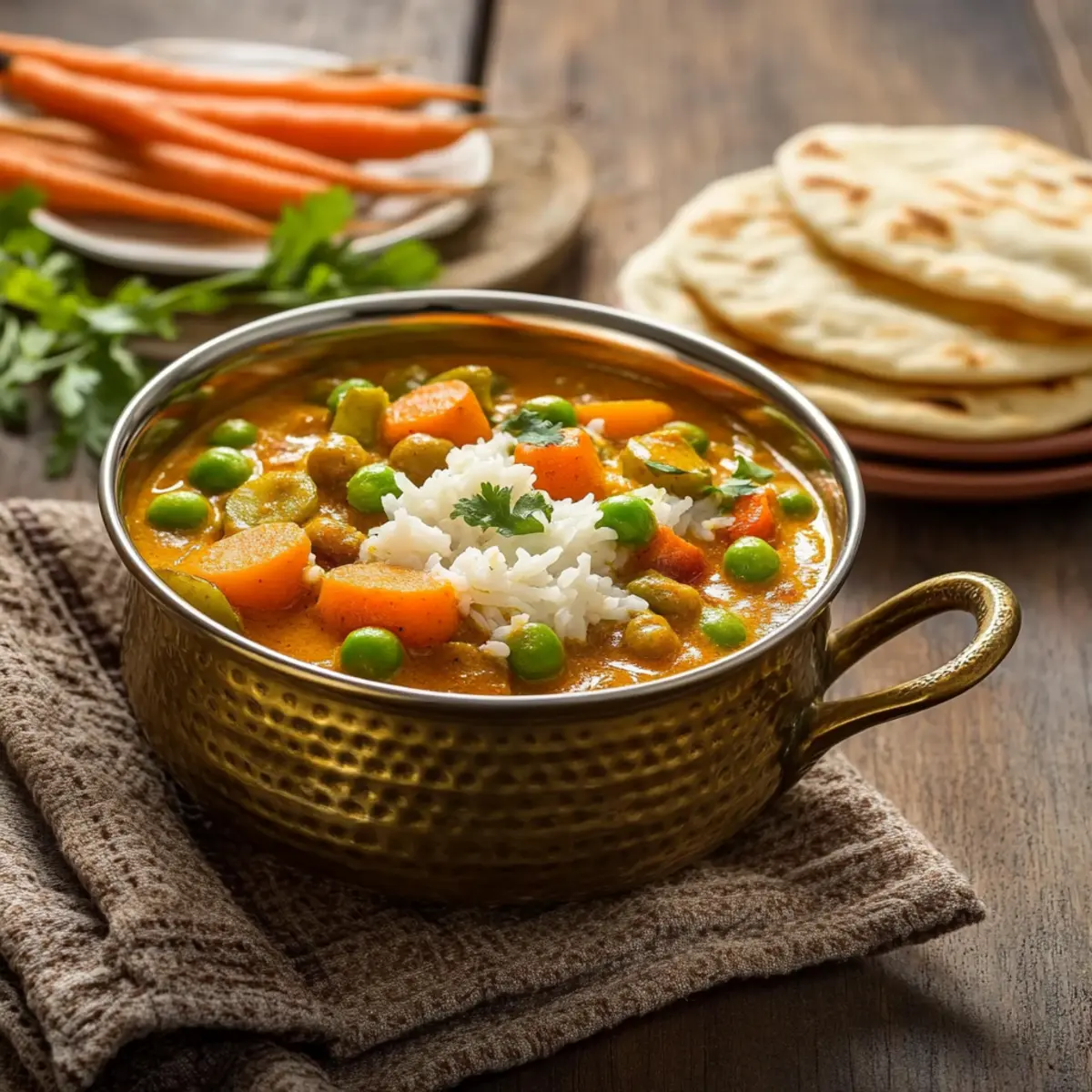
Fridge: Store your vegetable curry in an airtight container for up to 3 days. The flavors will deepen as it sits, making it even tastier on the second day.
Freezer: For longer storage, freeze the vegetable curry in portions for up to 2 months. Ensure it’s completely cooled before placing it in freezer-safe containers.
Reheating: When ready to enjoy, thaw overnight in the fridge, then reheat gently on the stove with a splash of water to maintain consistency and prevent sticking.
Flavor Note: Since the vegetable curry taste develops over time, it’s perfect for meal prep days. Enjoy the satisfying warmth across several dinners!
Vegetable Curry Variations & Substitutions
Feel free to let your creativity flourish and personalize your curry with delightful twists that enhance flavor and fit your dietary needs!
- Seasonal Swaps: Use zucchini or green beans instead of traditional mixed veggies to highlight seasonal produce.
- Herb-Infused: Add fresh basil or mint for a surprising herbal note that brightens the dish.
- Broth Boost: Swap water for vegetable broth to elevate the flavor profile and create a richer base.
- Protein Power: Toss in chickpeas or lentils for an extra protein punch; they absorb the delicious spices beautifully.
- Spice It Up: Incorporate chili powder or red pepper flakes for a spicier kick—perfect if you crave a bit of heat!
- Creamy Delight: For a lighter curry, omit coconut milk and add crushed tomatoes for a tangy twist. This maintains the rich texture while keeping it lighter.
- Nutty Flavor: Include toasted cashews or almonds as a topping to add crunch and a nutty depth to each bite.
- Coconut Cream Alternative: For a vegan-friendly creamy option, consider adding coconut cream instead of coconut milk for even more richness.
As you explore these variations, don’t forget to check out my other comforting dishes, such as Coconut Curry Soup and Roasted Vegetable Pasta for more delicious inspiration!
What to Serve with One-Pot Easy Vegetable Curry
A comforting vegetable curry deserves delightful accompaniments that elevate your meal experience.
- Basmati Rice: Fluffy and fragrant, basmati rice absorbs the curry’s rich sauce beautifully, offering a perfect balance.
- Naan Bread: Soft and buttery naan is perfect for scooping up the curry, adding a delightful texture contrast to the dish.
- Fresh Salad: A crisp cucumber and tomato salad with a zesty dressing adds freshness and crunch, lightening the meal.
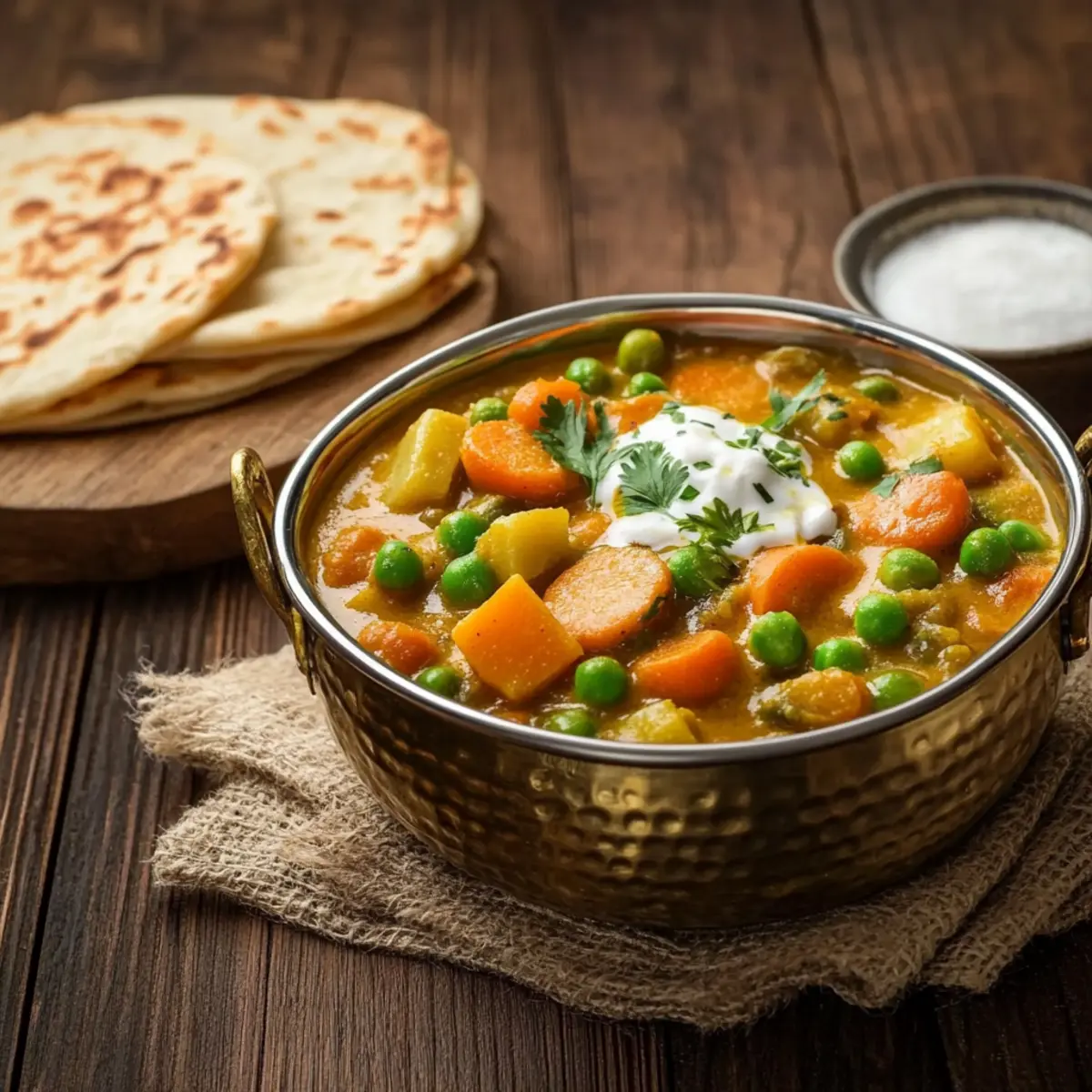
- Yogurt or Raita: Creamy yogurt or raita cools the palate, enhancing the spicy undertones of the curry while providing a soothing contrast.
- Chickpea Fritters: Crunchy, golden-brown chickpea fritters are a tasty protein-packed addition that pairs well with the curry’s soft veggies.
- Mango Chutney: Sweet and tangy mango chutney adds a burst of flavor, beautifully complementing the aromatic spices in the curry.
- Spiced Lemonade: A refreshing spiced lemonade with hints of ginger and mint can cleanse your palate between bites, enhancing the flavor journey.
- Chocolate Mousse: Finish your meal on a sweet note with a rich chocolate mousse—its velvety texture is a delightful contrast to the savory curry.
Expert Tips for Vegetable Curry
-
Perfect Cumin Blooming: Always heat the oil well before adding cumin seeds; this releases their potent flavor, infusing your vegetable curry beautifully.
-
Vegetable Cut Size: Cut dense vegetables like carrots and potatoes smaller; this ensures even cooking and tender bites throughout your curry.
-
Water Level Matters: Use just enough water to barely cover the vegetables for a rich and concentrated flavor; too much water can dilute the taste.
-
Protein Boost: Consider stirring in canned chickpeas or lentils for extra protein; they enhance the curry while keeping it vegan-friendly.
-
Flavor Development: Allow the finished vegetable curry to rest for a few minutes after cooking; this allows the spices to meld for a more robust taste.
Make Ahead Options
These Easy Vegetable Curry preparations are perfect for busy cooks looking to save time during the week! You can chop and store all your vegetables (like carrots, peas, potatoes, and bell peppers) in an airtight container for up to 3 days in the refrigerator, ensuring they stay fresh. Additionally, the masala base (including onion, garlic, ginger, tomatoes, and spices) can be pre-cooked and refrigerated for up to 24 hours; just reheat it before adding the vegetables. When you’re ready to serve, simply simmer the prepped veggies in the prepared masala, add water, and finish with coconut milk if desired. This way, you’ll enjoy a delicious homemade vegetable curry with minimal meal-time stress!
One-Pot Easy Vegetable Curry Recipe FAQs
How do I choose the right vegetables for my curry?
Absolutely! Opt for fresh vegetables that are in season for the best flavor and nutrition. Look for vibrant colors, firm textures, and avoid any that show significant signs of spoilage, like dark spots or wilting. Some excellent choices include carrots, peas, bell peppers, and potatoes. You can also get creative with zucchini or green beans based on your preferences!
What is the best way to store leftover vegetable curry?
Very! Once cooled, transfer your vegetable curry to an airtight container and store it in the refrigerator for up to 3 days. To maintain its taste, let it sit for a while to let the flavors meld—this often makes it even tastier on the next day!
Can I freeze vegetable curry, and if so, how?
Absolutely! To freeze, let your vegetable curry cool completely before portioning it into freezer-safe containers. I recommend keeping it in portions that are easy to defrost. It can be frozen for up to 2 months. When you’re ready to enjoy it, thaw overnight in the refrigerator and reheat gently on the stove, adding a splash of water if necessary to maintain its consistency.
What should I do if my curry is too runny?
No worries! If your curry is too watery, one effective way to thicken it is to let it simmer uncovered for a few more minutes until some of the liquid evaporates. You can also mash a portion of the vegetables against the pot to naturally thicken the sauce, or stir in a teaspoon of cornstarch mixed in a bit of water to create a slurry, allowing it to thicken as it cooks for a couple of minutes.
Is this vegetable curry safe for those with allergies?
Absolutely! This One-Pot Easy Vegetable Curry is vegan, but always be mindful of specific allergens. If someone has nut allergies, simply omit the coconut milk and replace it with more water or vegetable broth. Always double-check labels on packaged spices and oil for any hidden allergens. If you’re concerned about specific ingredients, feel free to customize it to suit everyone’s needs!
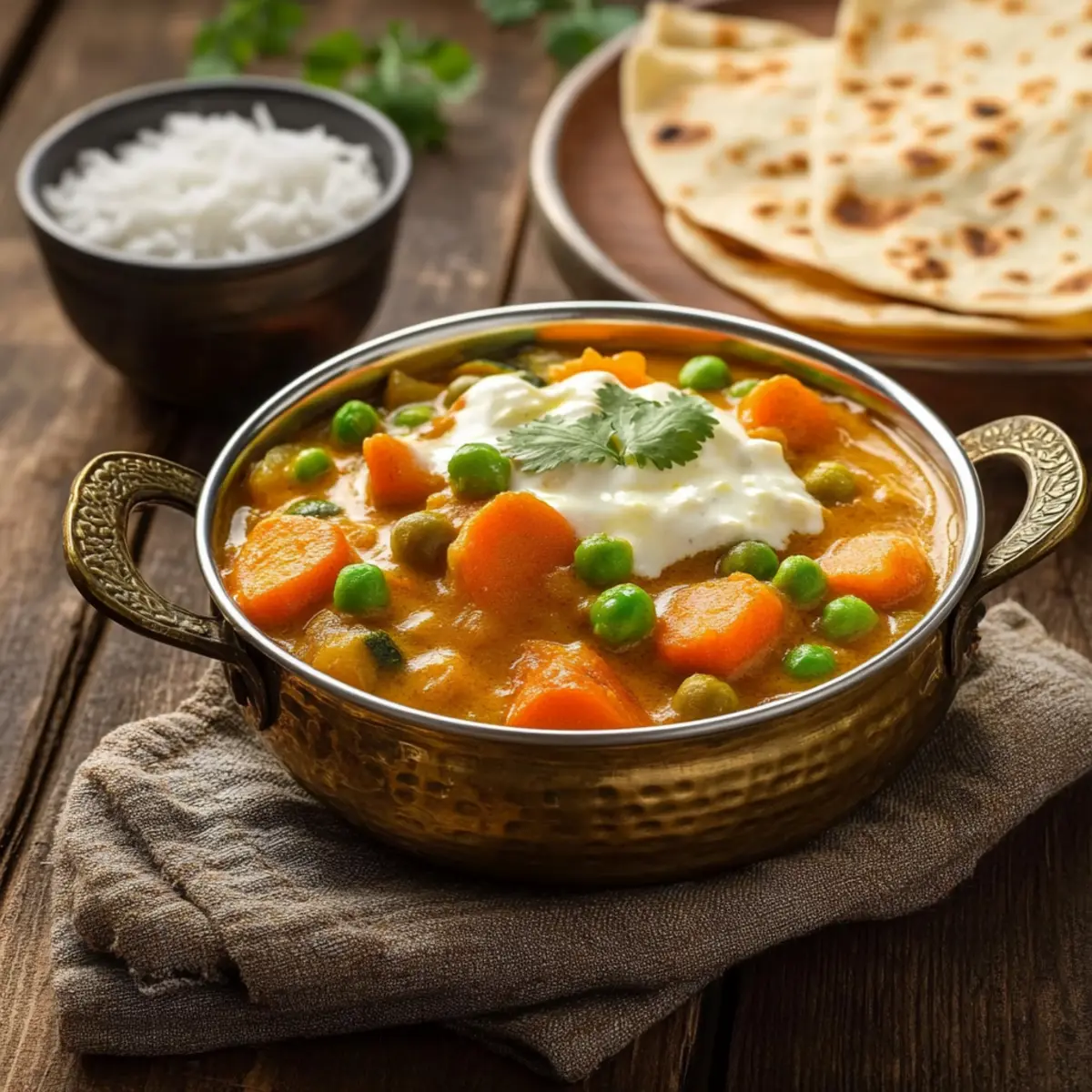
Irresistibly Creamy Vegetable Curry for Cozy Nights
Ingredients
Equipment
Method
- Heat 2 tablespoons of vegetable oil or ghee in a large pot over medium heat. Add 1 teaspoon of cumin seeds and allow them to sizzle for about 30 seconds.
- Add 1 finely chopped onion to the pot, stirring it in and cooking for 5 minutes until it turns translucent. Incorporate 3 minced garlic cloves and 1 tablespoon of grated fresh ginger, sautéing for an additional 30–60 seconds.
- Stir in 2 chopped tomatoes, 1 teaspoon of turmeric powder, 1 teaspoon of coriander powder, and a pinch of salt. Cook for about 5–7 minutes until the tomatoes break down.
- Fold in 4 cups of mixed chopped vegetables, ensuring they are evenly coated with the aromatic masala. Stir gently for 2–3 minutes.
- Pour in enough water to just cover the vegetables, roughly 2–3 cups, and bring the mixture to a boil. Once boiling, reduce the heat to low, cover the pot, and let it simmer for 15–20 minutes.
- If desired, stir in 1 cup of coconut milk and continue to simmer for an additional 5 minutes.
- Sprinkle 1 teaspoon of garam masala into the pot, stirring to combine, and adjust the salt according to taste. Garnish with freshly chopped cilantro.
Leave a Reply