
The moment I first tasted Thai Peanut Chicken at a cozy local eatery, I knew I had to recreate its magic at home. This creamy, dreamy dish packs a punch with its balance of sweet, savory, and just a hint of spice, making it a perfect quick dinner that even the busiest weeknights can’t resist. With tender chicken nestled in a luscious peanut sauce, it turns any meal into an event. The best part? You can customize this recipe to suit your cravings—whether you’re adding a pop of vibrant veggies or switching up the protein. If you’re tired of the same old fast food routine, this Thai Peanut Chicken will help revive your dinner plans with a splash of exotic flavor. Are you ready to whip up a taste of Thailand right in your kitchen?
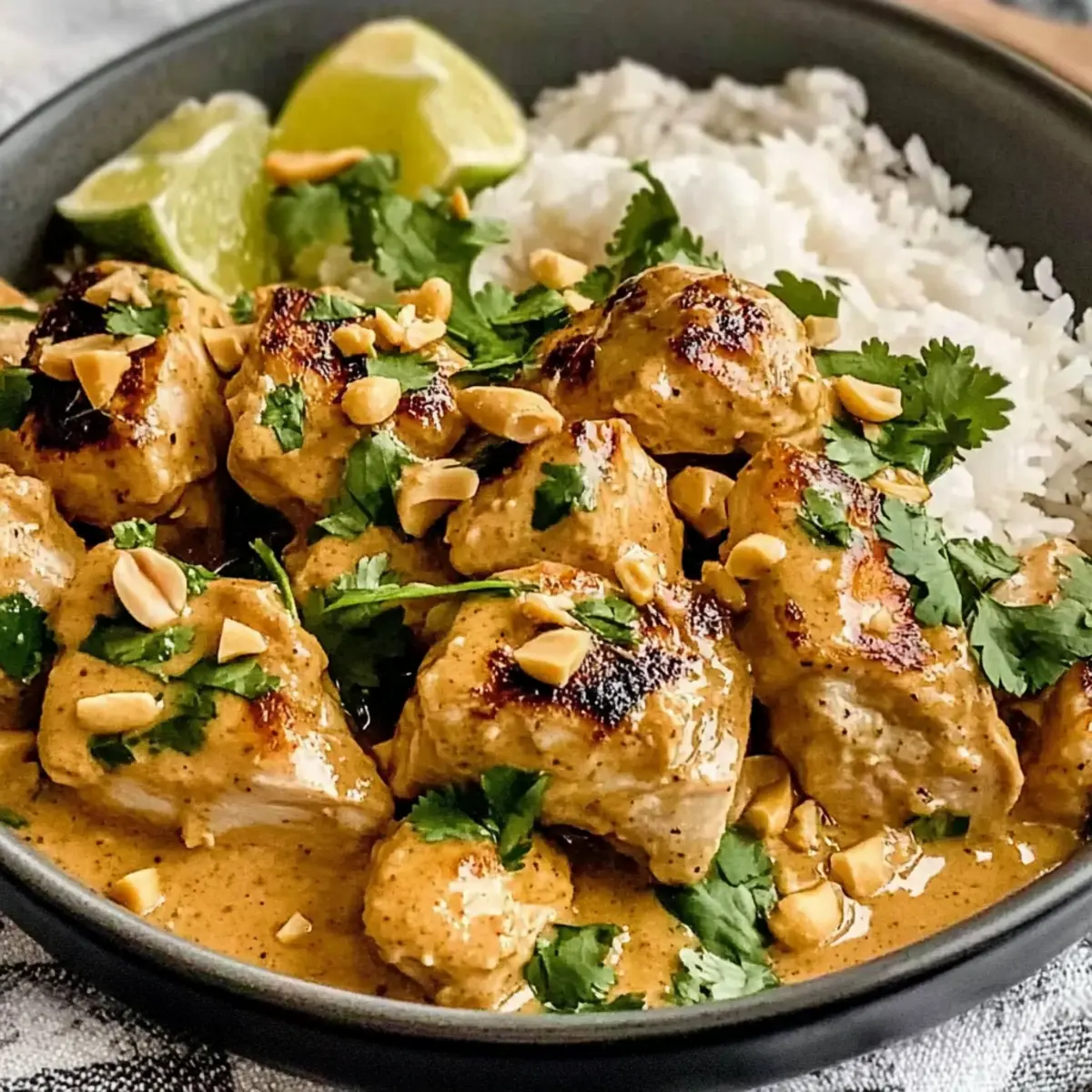
Why is Thai Peanut Chicken a Must-Try?
Flavor Explosion: This dish delivers a lively medley of sweet, savory, and slightly spicy flavors that will awaken your taste buds.
Quick & Easy: With just a handful of ingredients and a simple cooking method, you’ll have dinner on the table in no time!
Customizable: Easily adapt this recipe by swapping chicken for tofu or adding your favorite veggies. Check out my tips for Ginger Scallion Chicken for even more inspiration!
Crowd-Pleaser: Perfect for family dinners or entertaining friends; everyone will love this comforting dish.
Takeout Quality: It’s truly a homemade version of your favorite Thai restaurant meal, minus the wait time! If you enjoy this, try serving it alongside Peruvian Chicken Rice for a delightful feast.
Thai Peanut Chicken Ingredients
• This creamy dish combines a variety of flavors and textures, making each bite a delight.
For the Chicken
- Boneless, skinless chicken breasts or thighs – Chicken thighs are preferred for their tenderness and flavor, ensuring a juicy bite.
- Vegetable oil – A neutral oil for sautéing that can be substituted with any similar cooking oil.
For the Sauce
- Fresh garlic – Imparts aroma and depth; fresh is ideal, but dried can work in a pinch.
- Fresh ginger – Essential for that authentic zing; do not use dried ginger as a substitute.
- Creamy peanut butter – The heart of the sauce, offering nutty richness; both natural and stabilized versions work well.
- Soy sauce – Adds vital umami and saltiness; key for flavor balance.
- Rice vinegar – Brings acidity to brighten the sauce; can be swapped with apple cider vinegar if needed.
- Honey – Sweetens and balances the sauce; maple syrup makes for a great vegan alternative.
- Sriracha – Adds a kick of heat; adjust according to your spice preference and feel free to omit for milder fare.
- Coconut milk – Introduces creaminess and a hint of sweetness, a must for the sauce’s texture.
For Finishing Touches
- Fresh lime juice – Brightens flavor; essential for freshness in the sauce.
- Sesame oil – For an authentic Asian flair; other nut oils can be used if sesame isn’t available.
- Chopped peanuts – Garnish that adds crunch; don’t skip this for that extra texture!
- Fresh cilantro – This aromatic herb adds a refreshing note to the dish.
- Salt and pepper – Essential for enhancing overall taste, season to your liking.
For Serving
- Steamed rice or noodles – The perfect base to complement the creamy sauce of your Thai Peanut Chicken.
This Thai Peanut Chicken is sure to become a family favorite, bringing restaurant-quality flavors right to your kitchen!
Step‑by‑Step Instructions for Thai Peanut Chicken
Step 1: Prepare the Chicken
Start by patting the boneless, skinless chicken breasts or thighs dry with paper towels. Season both sides generously with salt and pepper. In a large skillet, heat 2 tablespoons of vegetable oil over medium-high heat until shimmering, about 1-2 minutes. Immediately add the chicken, cooking for 6-7 minutes on each side, until golden brown and the internal temperature reaches 165°F.
Step 2: Rest and Slice the Chicken
Once the chicken is perfectly cooked and golden, transfer it to a cutting board. Let it rest for 5 minutes to allow the juices to redistribute, ensuring a moist bite. After resting, slice the chicken into strips or bite-sized pieces, keeping them warm until needed for the Thai Peanut Chicken sauce.
Step 3: Sauté Aromatics
In the same skillet, reduce the heat to medium and add a bit more oil if needed. Sauté 2-3 minced garlic cloves and 1 tablespoon of freshly grated ginger for 1-2 minutes, stirring frequently until fragrant and slightly golden. This step builds the base flavor for your creamy Thai Peanut Chicken sauce, so watch closely to avoid burning.
Step 4: Whisk the Sauce Ingredients
In a separate bowl, whisk together 1/2 cup of creamy peanut butter, 1/4 cup of soy sauce, 2 tablespoons of rice vinegar, 1 tablespoon of honey, 1 tablespoon of sriracha, and 1 can of coconut milk. Once the mixture is smooth, pour it into the skillet with the sautéed garlic and ginger. Cook over medium heat, stirring, until the sauce is heated through, about 2-3 minutes.
Step 5: Combine Chicken and Sauce
Stir in the juice of 1 fresh lime and 1 teaspoon of sesame oil into the peanut sauce, adjusting for taste. Return the sliced chicken back into the skillet, tossing to fully coat each piece in the rich, creamy sauce. Allow everything to cook together for an additional 1-2 minutes, ensuring that the chicken is heated through.
Step 6: Serve and Garnish
To plate your delicious Thai Peanut Chicken, serve it immediately over a bed of steamed rice or rice noodles. Garnish generously with chopped peanuts and fresh cilantro for an added crunch and flavor contrast. This comforting dish is now ready to be enjoyed, bringing a taste of Thailand to your dining table!
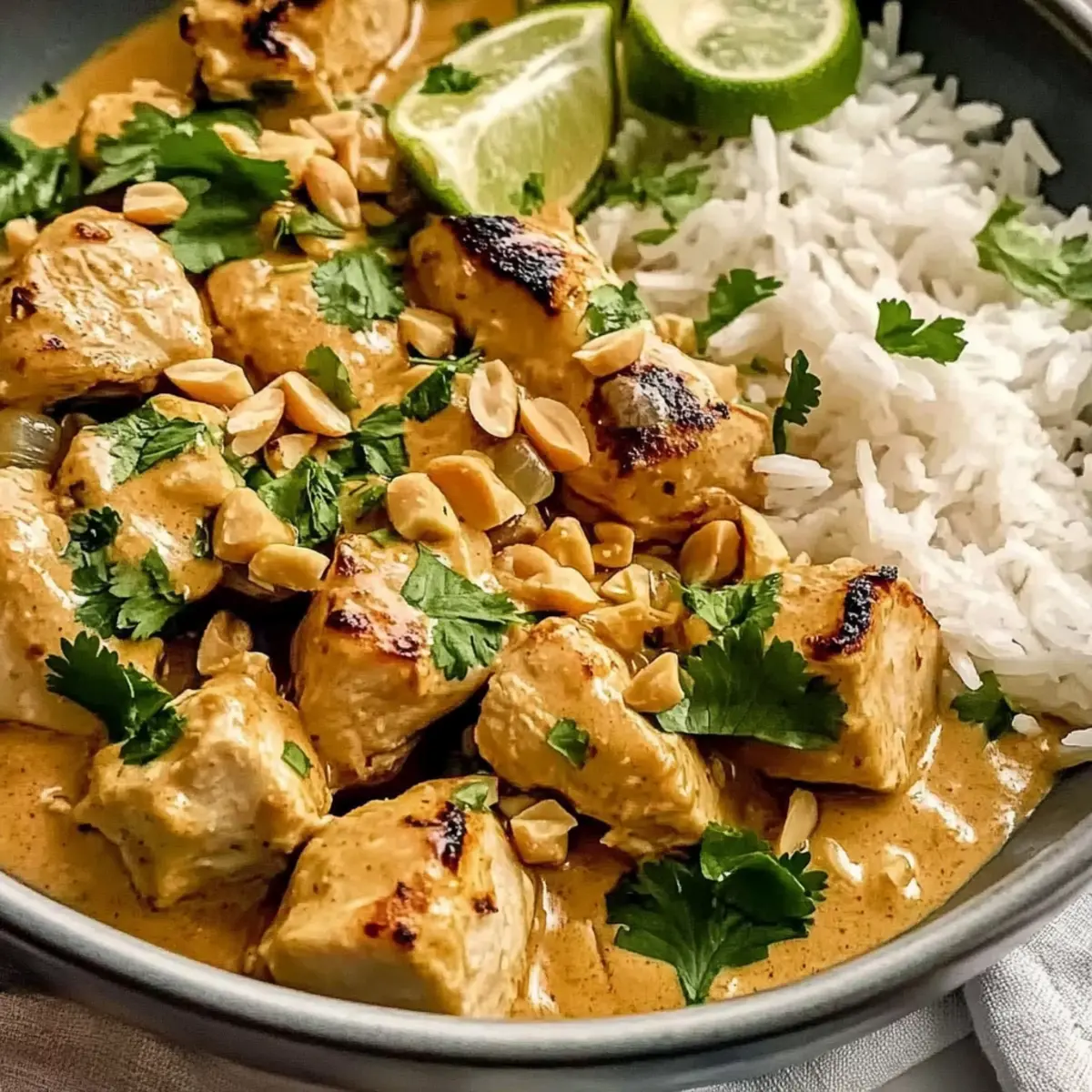
Thai Peanut Chicken Variations & Substitutions
Feel free to play with this recipe and make it your own—each variation brings a unique twist that enhances the creamy goodness of the dish!
-
Vegetarian: Swap the chicken for tofu to create a satisfying vegetarian meal that’s just as delicious. Firm tofu holds up beautifully in the sauce and absorbs all that flavor.
-
Nut-Free: If allergies are a concern, replace peanut butter with sunbutter or tahini for a creamy sauce without the nuts. The flavor will shift slightly, but the creaminess remains.
-
Spicy Kick: Add extra sriracha or toss in some red pepper flakes to turn up the heat! This addition complements the sweetness beautifully and gives those who enjoy fiery dishes a delightful treat.
-
Veggie Boost: Incorporate stir-fried vegetables like bell peppers, broccoli, or snap peas for added nutrition. Not only will you get a vibrant plate, but the crunch pairs perfectly with the creamy sauce.
-
Different Nut Butters: Experiment with almond or cashew butter instead of peanut for a delightful twist on flavor. Each nut brings a unique taste that can really change up the dish.
-
Coconut-Free: For those avoiding coconut, substitute coconut milk with regular milk or oat milk to maintain creaminess, although the flavor will vary slightly.
-
Low-Carb Alternative: Serve over zoodles (zucchini noodles) or cauliflower rice instead of traditional rice or noodles for a lower carb option, allowing the rich sauce to shine through.
-
Lime Zest: Grate some fresh lime zest into the sauce for an extra citrusy freshness. This brightens the dish and adds a lovely aroma, enhancing that delicious Thai essence!
For more culinary creativity, try pairing this with the wholesome flavors in my Honey Lime Chicken or check out the hearty richness of Ginger Scallion Chicken for a different spin! Enjoy your round of experimentation!
What to Serve with Thai Peanut Chicken?
There’s something magical about creating a complete meal to accompany the creamy bliss of this delightful dish.
- Jasmine Rice: Light and fragrant, this classic pairing absorbs the rich peanut sauce beautifully, bringing harmony to each bite.
- Stir-Fried Vegetables: Crisp-tender veggies like bell peppers, broccoli, and snap peas add color and freshness, balancing the dish’s creamy textures.
- Thai Cucumber Salad: A refreshing tangy cucumber salad helps cut through the richness, harmonizing flavors and enhancing the overall dining experience.
- Spring Rolls: These crunchy, vegetable-filled bites offer a delightful contrast to the creamy chicken, making them a fun finger food addition.
- Lemongrass Tea: Sipping on this aromatic herbal tea complements the meal’s flavors while providing a soothing finish to your dining experience.
- Mango Sticky Rice: For dessert, this sweet treat adds a tropical twist and rounds out your Thai feast with its luscious textures.
- Peanut Sauce Dip: Extra sauce on the side is always a treat, allowing guests to dip their spring rolls or veggies in for an extra punch of flavor.
- Fresh Herbs Salad: A zesty mix of cilantro, mint, and lime offers a refreshing palate cleanser, enhancing the vibrant flavors of the Thai Peanut Chicken.
- Light Beer or Riesling: A crisp light beer or a sweet Riesling pairs beautifully, complementing the dish’s sweet and spicy notes while refreshing the palate.
- Sesame Noodles: For a carb-loaded twist, serve it with cold sesame noodles drizzled in a soy and sesame sauce for a delightful textural contrast.
How to Store and Freeze Thai Peanut Chicken
Room Temperature: Leftover Thai Peanut Chicken should not be kept at room temperature for more than 2 hours to ensure food safety.
Fridge: Store leftovers in an airtight container and refrigerate for up to 3 days. To maintain the best flavor, consume it within this timeframe.
Freezer: For long-term storage, freeze portions of Thai Peanut Chicken in airtight containers or freezer bags for up to 3 months. Thaw in the refrigerator before reheating.
Reheating: When ready to enjoy, reheat on the stovetop over low heat. Add a splash of coconut milk to restore the creamy texture and prevent dryness.
Make Ahead Options
Thai Peanut Chicken is a fantastic option for meal prep, saving you time on busy evenings! You can marinate the chicken and store it in the refrigerator for up to 24 hours to enhance its flavor before cooking. Additionally, you can prepare the creamy peanut sauce in advance and keep it in an airtight container in the fridge for up to 3 days. When you’re ready to serve, simply reheat the sauce on low heat and add the previously cooked chicken, ensuring it’s warmed through. This method not only maintains the dish’s quality but also makes it just as delicious as when freshly made, helping you achieve a fantastic dinner with minimal effort!
Expert Tips for Thai Peanut Chicken
- Dry the Chicken: Ensure the chicken is patted dry before cooking. This helps achieve a golden-brown exterior for better texture and flavor.
- Keep It Moving: Stir the sauce constantly while cooking to prevent it from sticking or clumping. A smooth sauce is essential for a creamy finish!
- Control the Heat: Adjust the sriracha according to your spice preference. Always start with less and add more gradually to avoid overpowering the dish.
- Perfectly Reheat Leftovers: When reheating, add a splash of coconut milk to the chicken for preserving its creamy texture and preventing dryness.
- Taste and Adjust: Remember to taste the sauce before serving—balance the flavors with additional lime juice, soy sauce, or honey if needed for your perfect Thai Peanut Chicken!
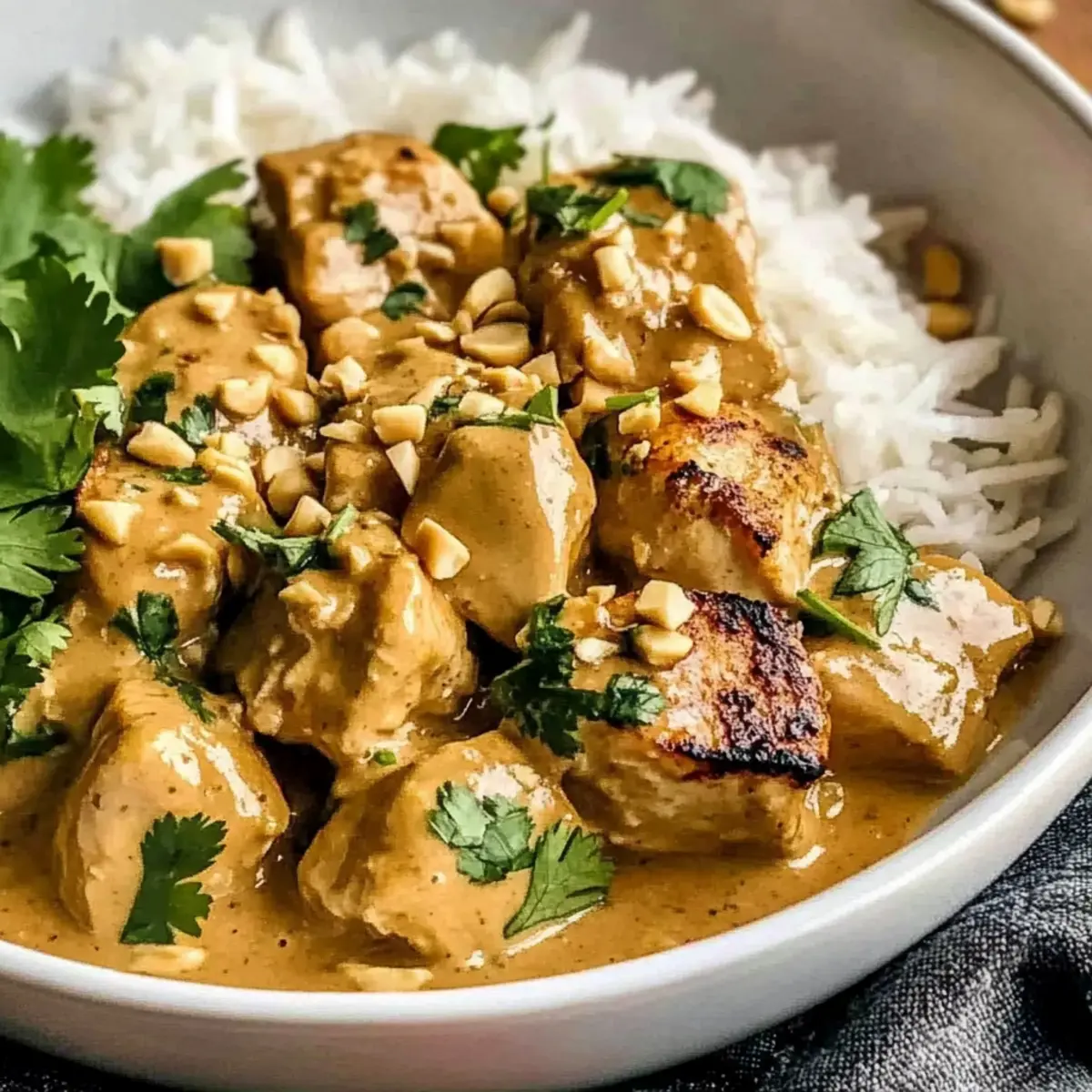
Thai Peanut Chicken Recipe FAQs
How do I choose the best chicken for Thai Peanut Chicken?
Absolutely! I prefer boneless, skinless chicken thighs for their tenderness and flavor in this dish. However, you can also use chicken breasts if that’s what you have on hand. Look for fresh pieces with a nice pink color and no dark spots, ensuring maximum quality.
What’s the best way to store leftovers of Thai Peanut Chicken?
Very easy! Place any leftover Thai Peanut Chicken in an airtight container, and it will last in the refrigerator for up to 3 days. Just remember to let it cool down to room temperature before sealing it up to maintain freshness.
Can I freeze Thai Peanut Chicken?
Definitely! To freeze, portion the Thai Peanut Chicken into freezer-safe bags or containers, removing as much air as possible before sealing. It can be frozen for up to 3 months. When you’re ready to eat it, thaw overnight in the refrigerator and reheat on low with some coconut milk to bring back that creamy texture.
What if I added too much sriracha and the dish is too spicy?
No worries! If your Thai Peanut Chicken ends up spicier than anticipated, you can balance it out by adding more coconut milk, which will dilute the heat and provide extra creaminess. Alternatively, stir in a bit of honey or sugar to counteract the spice—a pinch can go a long way!
Is Thai Peanut Chicken safe for pets?
It’s important to note that Thai Peanut Chicken should not be given to pets, especially due to the presence of ingredients like garlic, which can be toxic to them. Always check other spices and ingredients for safety before sharing your food with furry friends!
Can I make this dish vegan?
Absolutely! Simply swap out the chicken for tofu, and use maple syrup instead of honey. You can also replace the Sriracha with a mild chili sauce or omit it altogether if you prefer a non-spicy version. This Thai Peanut Chicken will still taste fantastic and bring a delightful change to your dinner!
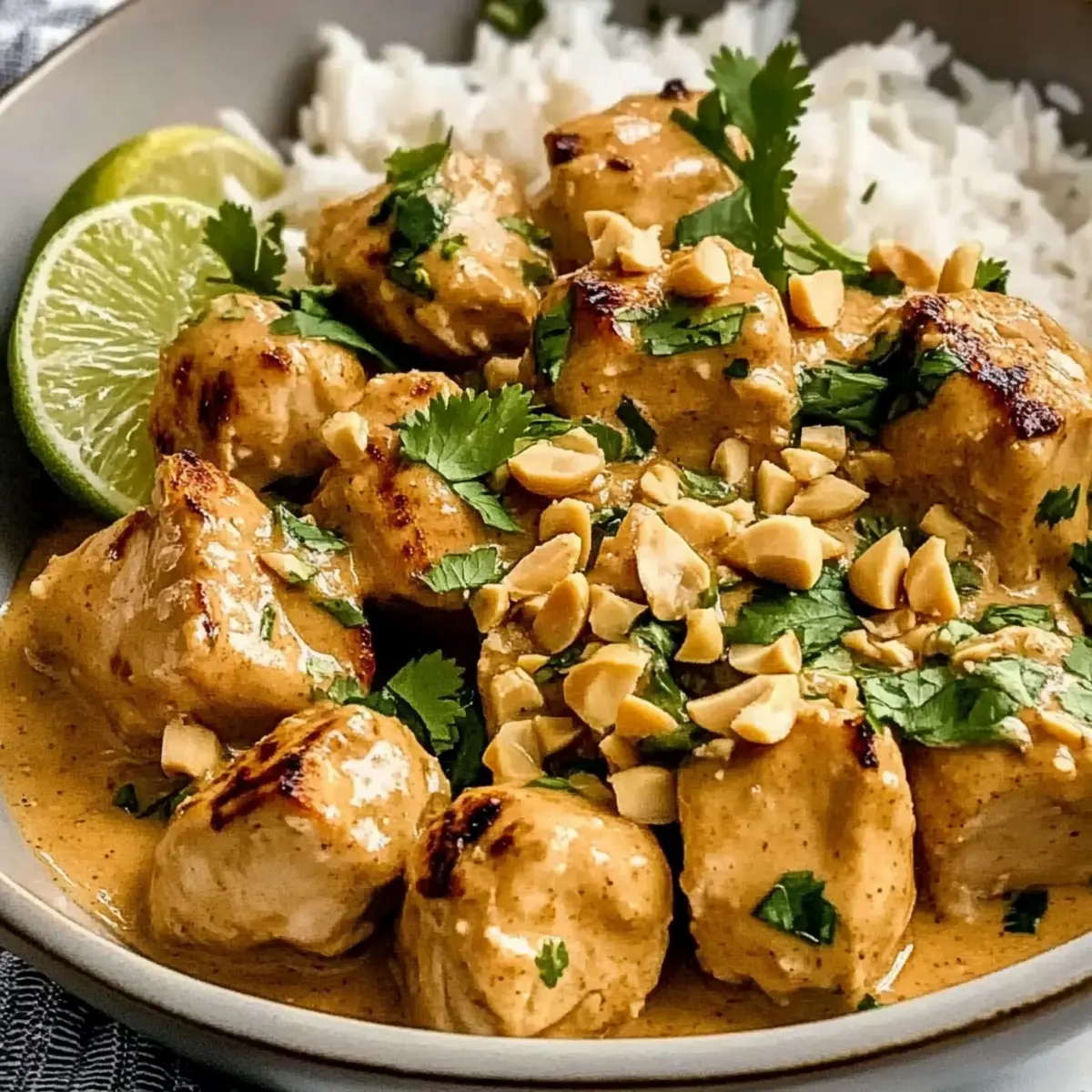
Savory Thai Peanut Chicken: Quick Comfort Anytime
Ingredients
Equipment
Method
- Pat the chicken dry with paper towels and season with salt and pepper. Heat vegetable oil in a skillet over medium-high heat, then cook chicken until golden brown, about 6-7 minutes per side. Ensure internal temperature reaches 165°F.
- Transfer cooked chicken to a cutting board and let it rest for 5 minutes before slicing into strips.
- In the same skillet, add more oil if necessary and sauté minced garlic and grated ginger for 1-2 minutes until fragrant.
- In a bowl, whisk together peanut butter, soy sauce, rice vinegar, honey, sriracha, and coconut milk. Pour sauce into skillet with garlic and ginger, cook on medium heat until heated through, about 2-3 minutes.
- Add lime juice and sesame oil to the sauce, stir in sliced chicken to coat, and cook for an additional 1-2 minutes.
- Serve over steamed rice or noodles and garnish with chopped peanuts and cilantro.
Leave a Reply