
As the wind howls outside and the sky drapes itself in gray, there’s nothing quite like a steaming bowl of goodness to bring warmth back into your day. My Vegan Winter Warmer Soup is just the remedy for those chilly evenings—it’s a cozy, immune-boosting dish that you can whip up in just 30 minutes. Packed with vibrant vegetables, bold spices, and the satisfying heartiness of rice noodles, this one-pot wonder shines as a quick go-to for busy weeknights. Plus, it’s completely gluten-free, so everyone can enjoy this delightful meal. Are you ready to fill your kitchen with the comforting aroma of fresh ginger and turmeric? Let’s dive into this wholesome recipe together!
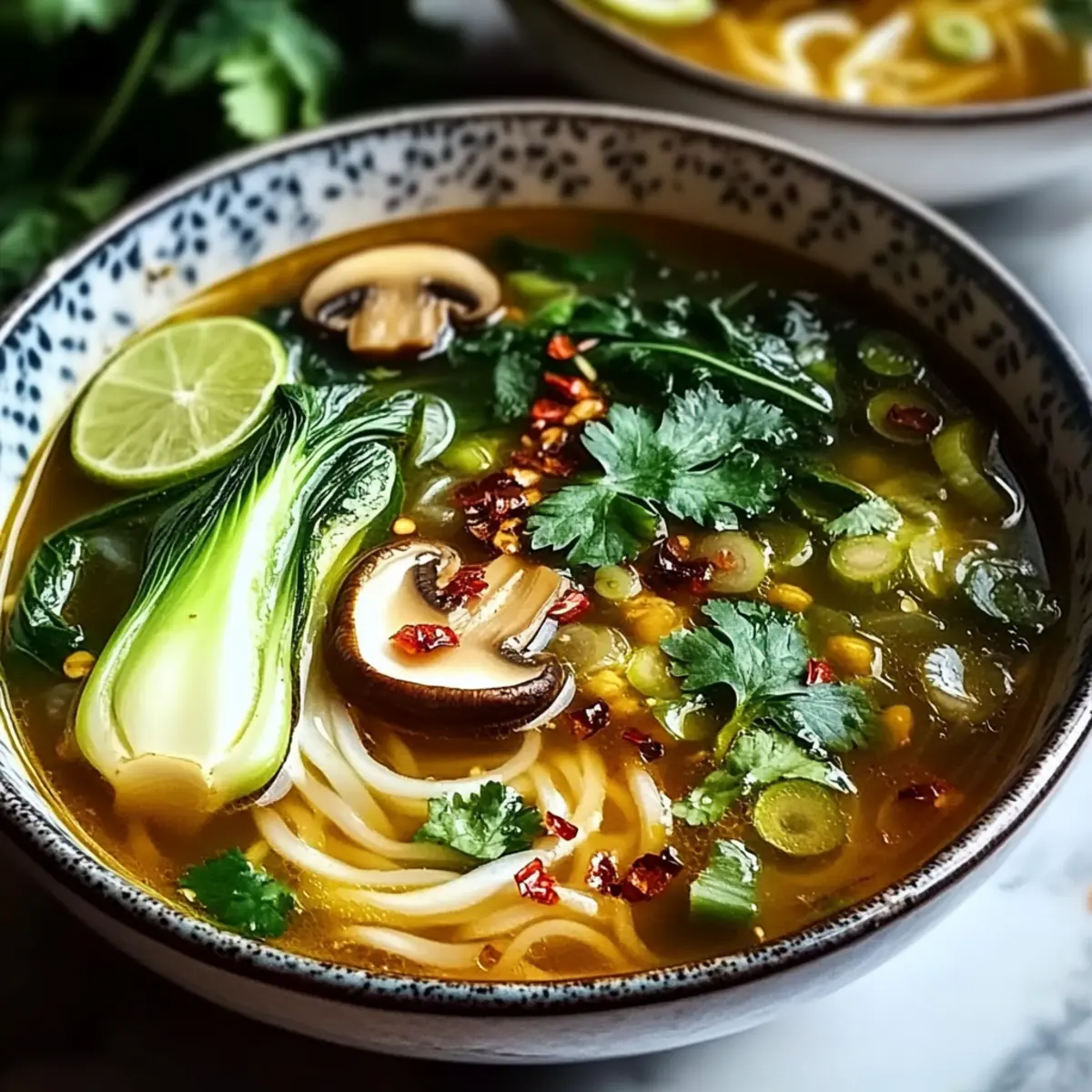
Why is this soup a must-try?
Comforting warmth: The Vegan Winter Warmer Soup wraps you in a cozy embrace, making it perfect for chilly nights.
Immune-boosting goodness: Packed with ginger and turmeric, each bowl serves as a protective shield for your health.
Quick and easy: Whip this up in just 30 minutes, proving that healthy meals need not be time-consuming.
Flavor explosion: Enjoy a medley of spices and vibrant vegetables, ensuring each spoonful is packed with deliciousness.
Customizable delight: With options to switch up greens or noodles, you can easily make this soup your own!
Serve it alongside some crusty bread or a refreshing salad for a complete dining experience, or check out my Coconut Curry Soup for another cozy favorite!
Winter Warmer Soup Ingredients
For the Soup Base
- Olive Oil – Adds richness and helps with sautéing; use vegetable broth for an oil-free version.
- Onion – Provides a flavorful base for the soup; substitute with shallots if desired.
- Garlic – Enhances flavor; essential for depth, with fresh garlic being preferred.
- Ginger – Offers warmth and an immune boost; can be swapped with ground ginger in a pinch.
- Celery – Adds crunch and flavor; leeks can be used as a substitute.
- Bay Leaves – Infuses flavor during cooking; always remove before serving.
- Turmeric Powder – Provides color and health benefits; fresh turmeric can be used.
- Black Pepper – Enhances flavor and aids turmeric absorption; adjust based on spice preference.
- Low-Sodium Vegetable Stock – The soup base; opt for homemade or store-bought for convenience.
For the Veggies & Noodles
- Bok Choy – Adds texture and nutritional value; can substitute with spinach or kale.
- Mushrooms – Provide umami flavor and heartiness; try any variety like shiitake or button.
- Rice Noodles – Offers a gluten-free carbohydrate; can be replaced with quinoa or barley.
For Seasoning & Finishing Touches
- Salt – Essential for seasoning; use to taste to enhance flavors.
- Lime Juice – Brightens flavors; can be swapped with lemon if needed.
- Red Chili Flakes – Adds heat to taste; omit for milder soup.
Step‑by‑Step Instructions for Winter Warmer Soup
Step 1: Prep Your Ingredients
Begin by washing and chopping your fresh vegetables—onion, garlic, ginger, celery, bok choy, and mushrooms. This preparation will not only streamline your cooking process but also ensure that you have everything ready to go once you start making your Vegan Winter Warmer Soup. Aim for even-sized pieces for uniform cooking and a beautiful presentation.
Step 2: Sauté the Base
In a large pot or Dutch oven, heat 2 tablespoons of olive oil over medium heat until shimmering, about 2 minutes. Add the chopped onion, minced garlic, and ginger, followed by celery, bay leaves, turmeric, and black pepper. Sauté for 5 minutes, allowing the mixture to become fragrant and the onions to soften, stirring occasionally to avoid sticking.
Step 3: Add Vegetable Stock
Pour in 6 cups of low-sodium vegetable stock and give the mixture a good stir to combine all the ingredients. Increase the heat and bring the broth to a gentle boil, watching for bubbles to break the surface, which should take about 3–4 minutes. This step forms the comforting base of your Winter Warmer Soup, infusing flavors as it heats.
Step 4: Incorporate the Veggies & Noodles
Once the stock is boiling, add the chopped bok choy, sliced mushrooms, and rice noodles to the pot. Add salt to taste, along with 2 tablespoons of lime juice and a pinch of red chili flakes for some heat. Stir well to distribute the ingredients evenly and allow them to mingle in the simmering broth.
Step 5: Simmer and Cook
Reduce the heat to low and let your Vegan Winter Warmer Soup simmer uncovered for 10-15 minutes. Watch for the rice noodles to become tender and fully cooked; they should be soft yet firm, with all vegetables maintaining a vibrant color and slight crunch. Stir occasionally during this time to ensure even cooking.
Step 6: Final Touches
Once the noodles are cooked to your liking, remove the bay leaves from the pot, tasting the soup for seasoning adjustments. Add additional lime juice or salt if desired to enhance the flavors, giving your Winter Warmer Soup that perfect balance before serving hot. Share it with loved ones and enjoy the warm embrace of each comforting bowl.
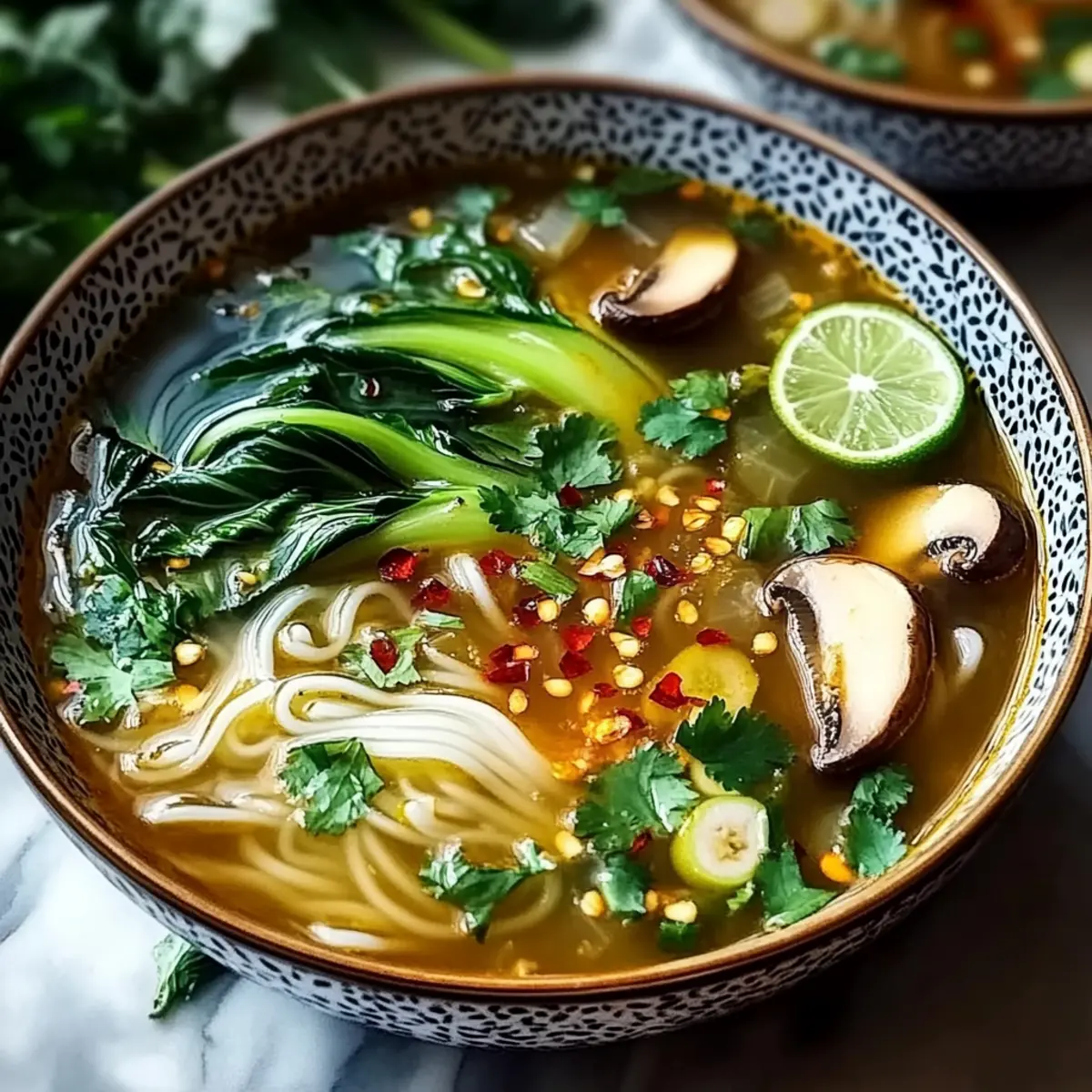
Expert Tips for Winter Warmer Soup
- Veggie Crunch: Avoid overcooking the vegetables to retain their tender-crisp texture, making your Winter Warmer Soup vibrant and enjoyable.
- Flavor Depth: Regularly taste your soup as it simmers; don’t skip on garlic and ginger, as they provide essential flavor.
- Quality Stock: Choose high-quality, low-sodium vegetable stock for the best taste—homemade stocks can elevate your soup tremendously.
- Simmer Time: Allow sufficient simmering time for flavors to meld; hurrying this step can lead to a less flavorful soup.
- Garnish Smartly: Consider garnishing with fresh herbs or a squeeze of lime right before serving for an added burst of flavor and color.
Make Ahead Options
Preparing your Vegan Winter Warmer Soup in advance can be a game-changer for busy weeknights! You can chop and store all your vegetables (onion, garlic, ginger, celery, bok choy, and mushrooms) in an airtight container in the refrigerator up to 3 days ahead. If you prefer, you can also make the soup base and refrigerate it in a separate container for up to 24 hours. When it’s time to serve, simply reheat the soup on the stovetop, adding the uncooked rice noodles about 5-10 minutes before serving to ensure they cook perfectly in the warm broth. By prepping ahead, you’ll save time while enjoying a delicious, wholesome meal that’s just as comforting fresh from the pot!
Winter Warmer Soup Variations
Feel free to let your creativity shine as you customize this cozy soup to suit your taste and dietary needs!
-
Greens Swap: Replace bok choy with spinach or kale for a different leafy goodness. Each green brings its unique flavor and texture, enriching the soup even more!
-
Noodle Twist: Substitute rice noodles with quinoa or barley for a heartier bite. These grains offer delightful texture while keeping the dish gluten-free.
-
Sweet Crunch: Add diced carrots or bell peppers to enhance sweetness and texture. Their vibrant colors will make your soup even more appealing!
-
Earthy Flavor: Incorporate lentils or chickpeas for added protein and nutrition. These legumes will transform your soup into a filling meal that satisfies both hunger and taste.
-
Spicy Kick: Toss in extra red chili flakes or fresh jalapeños if you crave spice. Adjust the amount based on your heat tolerance for a personalized touch.
-
Herb Boost: Stir in fresh herbs like cilantro or parsley right before serving. They add brightness and freshness that will take your soup to the next level!
-
Creamy Indulgence: For a rich texture, blend a cup of the soup and mix it back in. This not only thickens but also creates a delightful creaminess without dairy.
-
Global Flair: Add coconut milk for a tropical twist, pairing beautifully with the existing spices. This variation would be a wonderful companion to a dish like Coconut Curry Soup or serve with crusty bread for a full meal!
Experimenting with these variations will keep your Winter Warmer Soup exciting and delicious every time you make it!
What to Serve with Winter Warmer Soup
Cozy up your dinner table with delightful pairings that complement this hearty bowl of flavors.
- Crusty Bread: The perfect sidekick, allowing you to soak up every last drop of that flavorful broth.
- Mixed Green Salad: Fresh greens with a light vinaigrette add a crisp contrast to the warmth of the soup.
- Hummus and Veggie Sticks: A crunchy, nutritious side that enhances the meal without overshadowing the soup’s flavors.
- Avocado Toast: Creamy, rich avocado on toasted bread offers a satisfying bite alongside your comforting soup.
- Spicy Roasted Chickpeas: For an added crunch and protein boost, these zesty bites bring a delightful texture and flavor.
- Herbal Tea: A soothing herbal blend complements the warming spices of the soup, creating a complete cozy experience.
Each of these options beautifully enhances the experience of savoring your Winter Warmer Soup, ensuring a fulfilling meal ready to be enjoyed!
Storage Tips for Winter Warmer Soup
- Fridge: Store your Winter Warmer Soup in an airtight container for up to 3-4 days to maintain its freshness and flavor.
- Freezer: For longer storage, freeze the soup in freezer-safe containers or bags for up to 3 months. Make sure to leave some space for expansion.
- Reheating: Reheat on the stovetop over medium heat, stirring occasionally until warmed through. Alternatively, microwave in short bursts, stirring between intervals for even heating.
- Portioning: Consider portioning the soup before freezing; this allows for easy grab-and-go meals on busy days without having to defrost the entire batch.
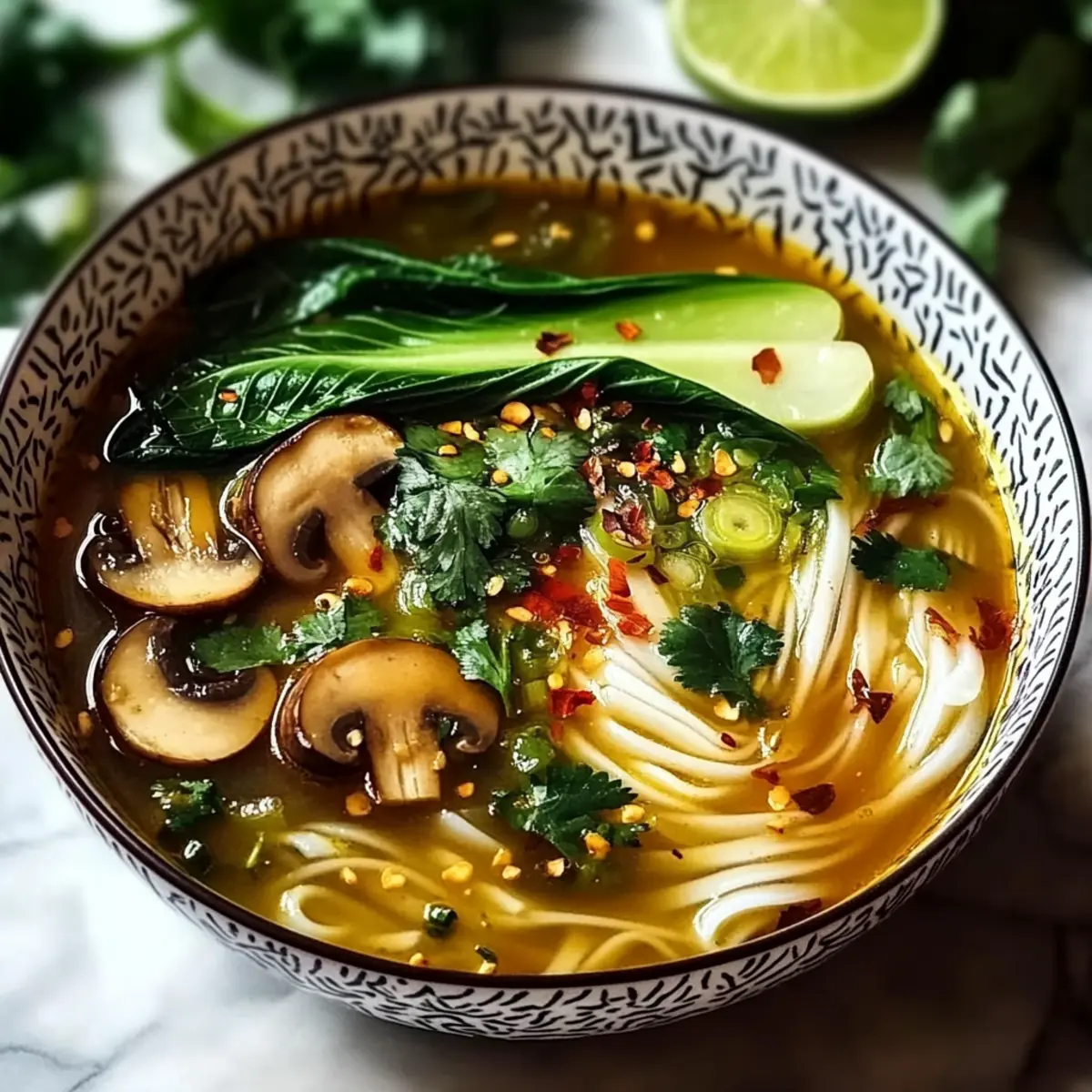
Winter Warmer Soup Recipe FAQs
What ingredients should I choose for optimal ripeness?
Absolutely! Selecting fresh, ripe vegetables is key to enhancing the flavors of your Winter Warmer Soup. For example, choose onions that are firm and free from dark spots, garlic cloves that are plump, and ginger that feels smooth without wrinkles. Bok choy should be bright green and crisp, while mushrooms should be firm and free from any slimy texture.
How should I store leftover soup for freshness?
To keep your Winter Warmer Soup fresh, store it in an airtight container in the refrigerator for up to 3-4 days. Make sure it’s cooled down to room temperature before sealing it tightly to prevent condensation. This will help maintain its vibrant flavors and textures.
Can I freeze the Winter Warmer Soup? If so, how?
Very! To freeze your Winter Warmer Soup, ladle cooled soup into freezer-safe containers or bags, leaving some space at the top for expansion. Seal them tightly and label with the date. It can be stored in the freezer for up to 3 months. When ready to enjoy, thaw it overnight in the fridge before reheating on the stovetop.
What if my soup turns out too bland? Any tips?
If you find your Winter Warmer Soup lacking in flavor, don’t fret! Start by tasting for salt and seasoning; adding a pinch of salt or extra lime juice can make a big difference. You can also throw in a splash of soy sauce or a few more chili flakes for depth and kick. If it still needs something more, a dash of fresh herbs like cilantro can elevate the experience.
Is this soup safe for pets or people with allergies?
Of course! The ingredients in this soup are plant-based, making it a great option for many. However, if anyone has specific allergies—like a sensitivity to certain vegetables (for example, mushrooms or garlic)—make sure to modify accordingly. Always check with your veterinarian before sharing homemade treats with pets, especially with ingredients like onions and garlic, which can be harmful to them.
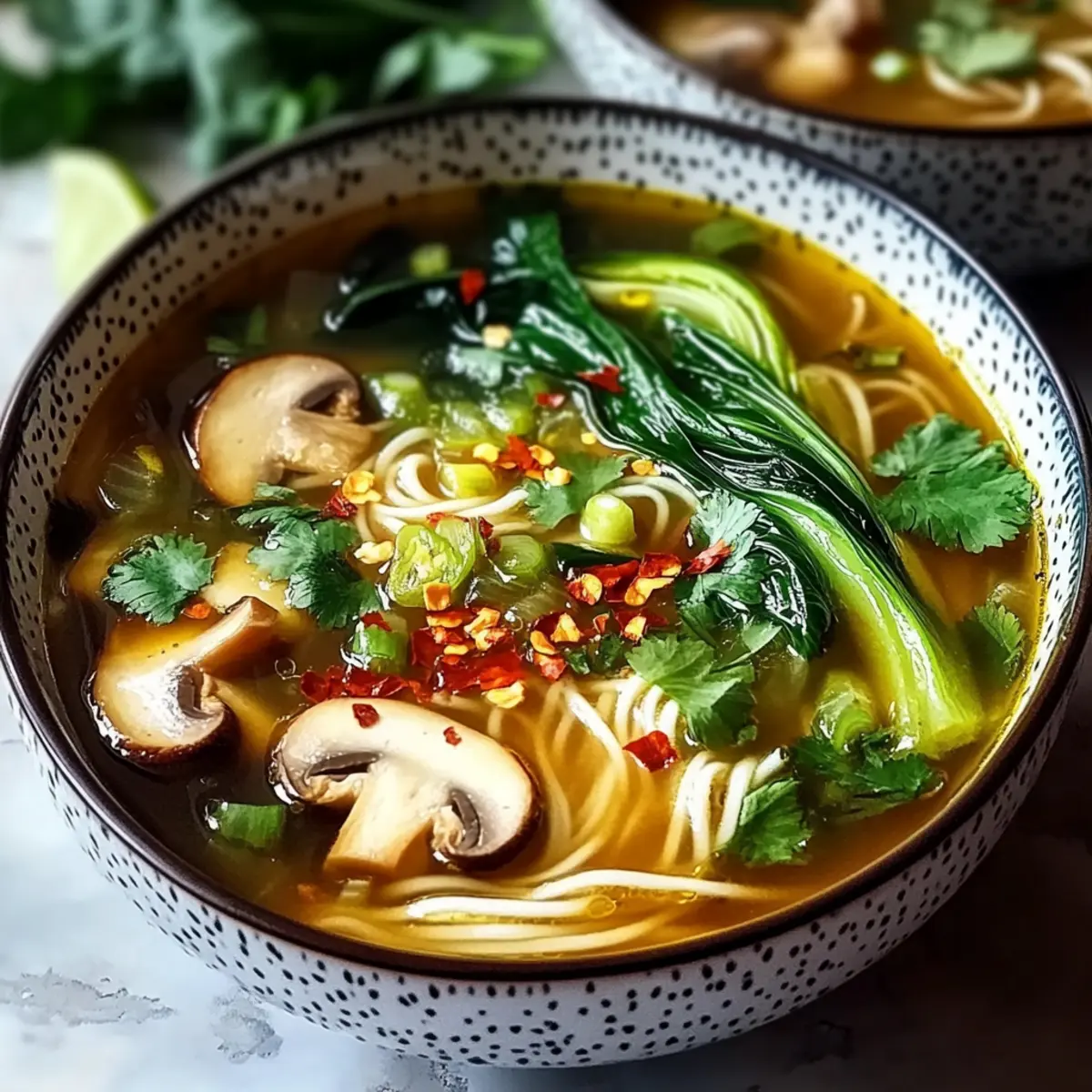
Hearty Winter Warmer Soup: A Cozy Vegan Delight
Ingredients
Equipment
Method
- Begin by washing and chopping your fresh vegetables—onion, garlic, ginger, celery, bok choy, and mushrooms.
- In a large pot or Dutch oven, heat olive oil over medium heat until shimmering, about 2 minutes. Add onion, garlic, ginger, celery, bay leaves, turmeric, and black pepper. Sauté for 5 minutes.
- Pour in low-sodium vegetable stock and stir to combine. Increase heat and bring to a gentle boil.
- Once boiling, add bok choy, mushrooms, and rice noodles. Stir in salt, lime juice, and red chili flakes.
- Reduce heat to low and let simmer uncovered for 10-15 minutes until noodles are tender.
- Remove bay leaves, taste for seasoning, and adjust if necessary before serving hot.
Leave a Reply